



June 17, 2026
Why SEO Matters for Plumbers in Suburban and Emergency Search
That is why seo for plumbers is not a branding extra. In suburban and emergency search, it is part of how demand gets captured in the first place, and that is the commercial case a firm such as HESK Digital can make to plumbing operators focused on calls rather than vanity metrics.
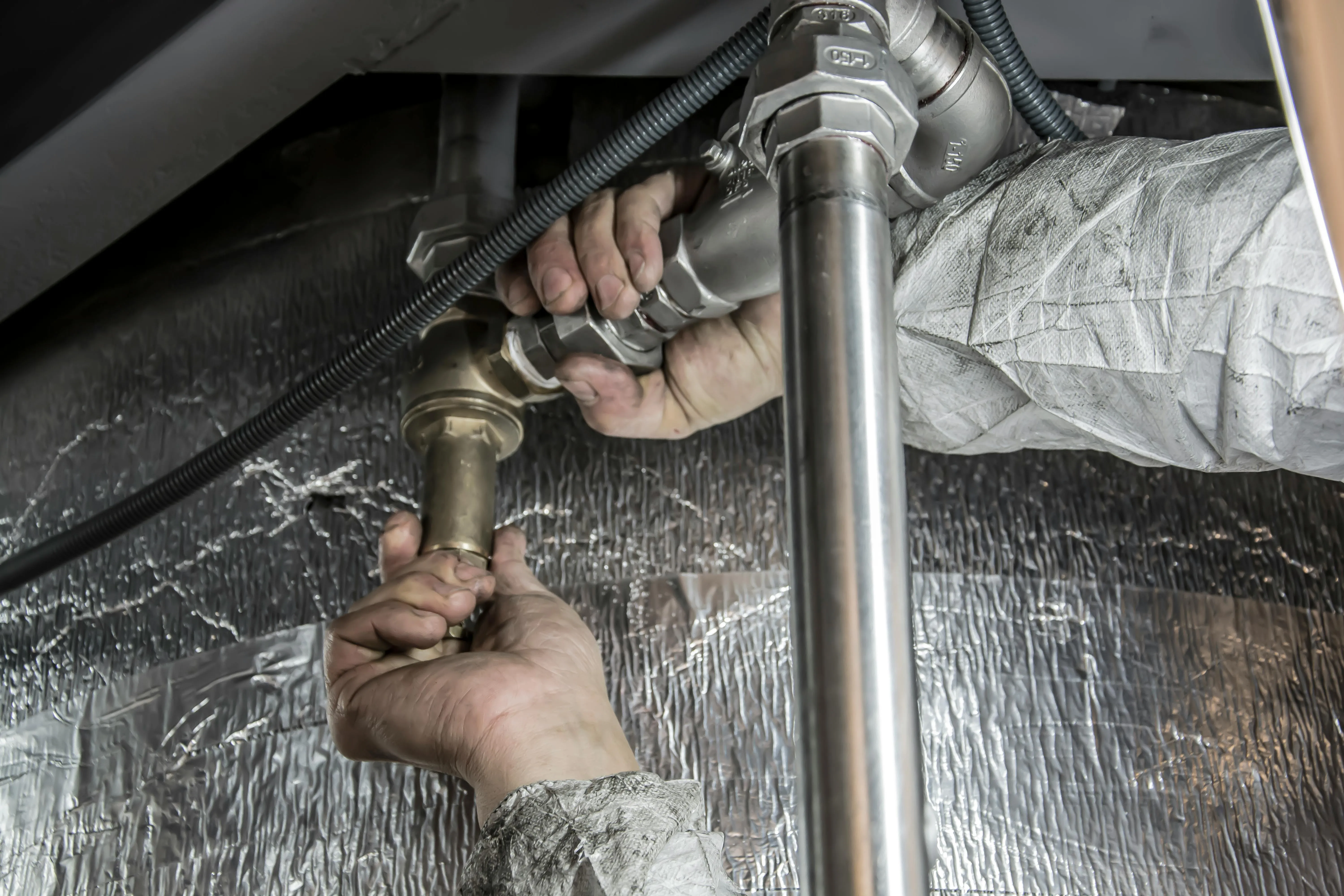

Plumbing demand is intensely local, but it is not uniform. A leaking tap in a suburban kitchen and a burst pipe at 10:30 pm create very different search behaviour, which is exactly why seo for plumbers matters in suburban and emergency search.
For Australian plumbing businesses, local visibility now sits inside a mobile-first market, and HESK Digital would treat that as a commercial visibility issue rather than a branding exercise. ACMA reported that internet access among Australian adults reached 99.7 per cent in 2025, 97 per cent used a mobile phone to go online, and only 12 per cent used a landline. That matters because many plumbing searches happen in the moment, on a phone, while the customer is standing in front of the problem and ready to call.
Planned Jobs And Panic Jobs Do Not Follow The Same Search Path
A suburban plumbing search is often slower and more comparative. The customer may type a suburb name, look at reviews, check service pages, and decide whether to call today or next week. Emergency intent is different. When a hot water system fails or a blocked drain starts backing up, search behaviour compresses into a much shorter decision window.
Google’s own local ranking guidance is useful here because it does not treat visibility as random. Local results are shaped by relevance, distance and prominence. For plumbers, that means the business most likely to win the click is not always the one with the oldest domain or the biggest ad budget. It is often the one whose profile and pages best match the search, the suburb, and the urgency of the job.
That is why a single generic “Plumbing Services” page is rarely enough. We need a structure that reflects real search paths. A customer searching “plumber in Castle Hill” is not behaving like someone searching “emergency plumber near me” or “blocked drain open now”. The first search usually needs proof of local coverage and service breadth. The second needs confidence that someone will answer the phone and arrive fast.
For plumbers working across multiple suburbs, seo for plumbers becomes a way to separate these intents cleanly. Routine services can be supported by suburb and service pages, while urgent callout pages can focus on response availability, common emergency jobs and after-hours trust signals. That split helps search engines understand the business, and it helps customers decide quickly.
Google Maps Visibility Often Decides Who Gets The Call
For many plumbers, the most important search result is not the homepage. It is the Business Profile on Google Maps and Search, which is one reason HESK Digital would prioritise local profile strength alongside website content.
Google states that complete and accurate Business Profile information makes a business more likely to appear in local results. It also says service-area businesses such as plumbers can show the areas they serve even if they do not display a public storefront address. That is highly relevant in suburban markets where a plumbing business may operate from one base but earn most of its work across a ring of nearby postcodes.
The practical implication is simple. A plumbing business that leaves categories, hours, service areas, services, phone details and website links half-finished is competing with one hand tied behind its back. By contrast, a strong profile gives Google more signals to match against “near me”, “open now”, suburb-based and service-specific searches.
There are a few profile elements that carry unusual weight for plumbers:
- Accurate trading and after-hours availability, because emergency intent is heavily filtered by time.
- Service-area settings that match real operating zones, because local trust falls away when travel promises are vague.
- Detailed services, because Google can highlight services on the profile when local customers search for them.
That last point is often overlooked. Google’s services editor can surface specific services on the profile, and its own help examples for plumbers include tap installation and toilet repair. For a trade business, that means local search can become more granular than just “plumber”. The profile can help Google connect the business to the exact task the customer wants done.
Reviews matter as well, but this is where Australian businesses need to stay disciplined. The ACCC says online reviews must be genuine, and fake or misleading reviews are against the law. Incentives must apply equally to positive and negative feedback and be clearly disclosed.
In practice, that means a plumbing business should treat review generation as a reputation process, not a shortcut. Asking every verified customer for feedback is sensible. Buying reviews, filtering out unhappy clients before they can respond, or getting mates to pad the rating is not.
A Plumbing Website Has To Convert Urgent Traffic Fast
Strong map visibility gets the shortlist. The website often decides the job.
For suburban work, customers will tolerate a little more browsing. They may compare blocked drain pages, read about hot water replacement, or look for licence, insurance and years in business. Emergency traffic is harsher. If the site is slow, cluttered or vague, the user goes back to search results and calls the next plumber.
That is why seo for plumbers is not just about ranking pages. It is about making pages usable under pressure. We should think less like publishers and more like operators. The best page is the one that answers the customer’s next question fast enough to keep the call on site.
An emergency plumbing page usually needs to do four things in the first screen:
- Confirm the service is available for urgent callouts
- Show the phone number clearly with click-to-call on mobile
- State the core emergency jobs covered
- Show the suburbs or service area without making the customer dig for it
This is where technical SEO supports commercial outcomes. Google’s LocalBusiness structured data documentation allows businesses to mark up key details such as name, address, phone number, URL, geo data and opening hours. If a plumbing business operates overnight or across midnight, those hours can be marked up properly as well. Structured data does not guarantee ranking, but it helps search engines interpret the business cleanly.
There is also a trust layer that matters more than many operators realise. auDA’s 2025 research found that three in four Australians are more likely to trust an Australian business if its site ends in .au, and half say they will only purchase online from a business with an Australian domain. Plumbing is not ecommerce in the normal sense, but the trust signal still matters.
SEO Value For Plumbers Is Measured In Calls, Not Rankings Alone
The wrong way to judge SEO for plumbers is to stare at position reports and celebrate movement from seventh to fourth for a broad keyword. The right way is to ask whether local search is producing more qualified calls, more quote requests and more booked jobs in the suburbs that matter.
Google Business Profile now gives businesses visibility into how customers find them and surfaces performance data around calls, reviews, bookings and search terms. That makes local SEO more measurable than it was a few years ago. We can track whether emergency pages attract urgent searches, whether suburb pages win discovery traffic, and whether mobile users convert once they land. A sensible plumbing SEO reporting framework usually follows this order:
- Track call volume, form leads and booked work by service type, not just total traffic.
- Separate emergency intent from planned work so after-hours demand is not mixed with routine quoting.
- Compare suburb-level visibility against real service areas to see where coverage is weak or overperforming.
- Review Business Profile interactions alongside website conversions, because many customers call without ever visiting a deep page.
This matters commercially because plumbers do not need all traffic. They need the right traffic in the right radius. A suburban service page that brings in two qualified hot water replacement leads is worth more than a blog post that attracts 500 unqualified visits from outside the operating zone.
It also changes the paid versus organic discussion. Paid search can help in highly contested emergency terms, and Google’s own ads guidance shows that local search ads can generate direction clicks, location detail views and mobile click-to-call actions. But SEO still matters because paid campaigns stop when budgets tighten, while strong local organic visibility compounds over time. For a suburban plumbing business that wants steadier work, lower acquisition cost and better coverage in repeat service areas, that compounding effect is hard to ignore.
The deeper point is that plumbing SEO sits at the intersection of geography, urgency and trust. Google is trying to match the right local business to the right customer at the right moment. When a plumbing company makes its profile accurate, its website fast, its service pages specific and its reviews genuine, it gives Google better evidence and gives customers fewer reasons to hesitate.
That is why seo for plumbers is not a branding extra. In suburban and emergency search, it is part of how demand gets captured in the first place, and that is the commercial case a firm such as HESK Digital can make to plumbing operators focused on calls rather than vanity metrics.
FAQs
Why does local SEO matter more for plumbers than many other trades?
Because plumbing demand is usually location-based and time-sensitive. Customers often need a nearby provider, and many are ready to call straight from search results.
What is the difference between suburban plumbing SEO and emergency plumbing SEO?
Suburban SEO targets planned jobs and suburb-specific searches. Emergency SEO targets urgent, mobile-led searches such as “open now” and “emergency plumber near me”.
Does Google Business Profile matter more than the website for plumbers?
For first contact, it often does. The profile can drive calls directly, but the website still matters because it helps convert uncertain customers and supports broader rankings.
Should plumbers create separate pages for emergency services and routine services?
Yes. The search intent is different, so the content, calls to action and trust signals should be different too.
How many suburb pages should a plumbing business have?
Only as many as it can support with real service coverage and unique content. Thin suburb pages usually weaken trust rather than improve it.
Can fake or filtered reviews create legal risk in Australia?
Yes. The ACCC says fake or misleading reviews are against the law, and incentives must be disclosed and applied fairly.
What should an emergency plumbing page include above the fold?
A visible phone number, urgent service message, key emergency jobs covered and the service area or suburb coverage.
How long does plumber SEO usually take to improve call volume?
It depends on competition, site quality and profile strength, but local improvements are usually measured over months, not days.
Sources
https://support.google.com/business/answer/7091?hl=en
https://developers.google.com/search/docs/appearance/structured-data/local-business
https://www.auda.org.au/news-insights/research-reports/why-au/

Related Posts
























Want results like this? Book your free SEO Masterplan
Want results like this? Book your free SEO Masterplan
Feel free to get in touch with us through any of the following means.
Whether you have inquiries, collaboration opportunities, or just want to say hello, we're here to listen.